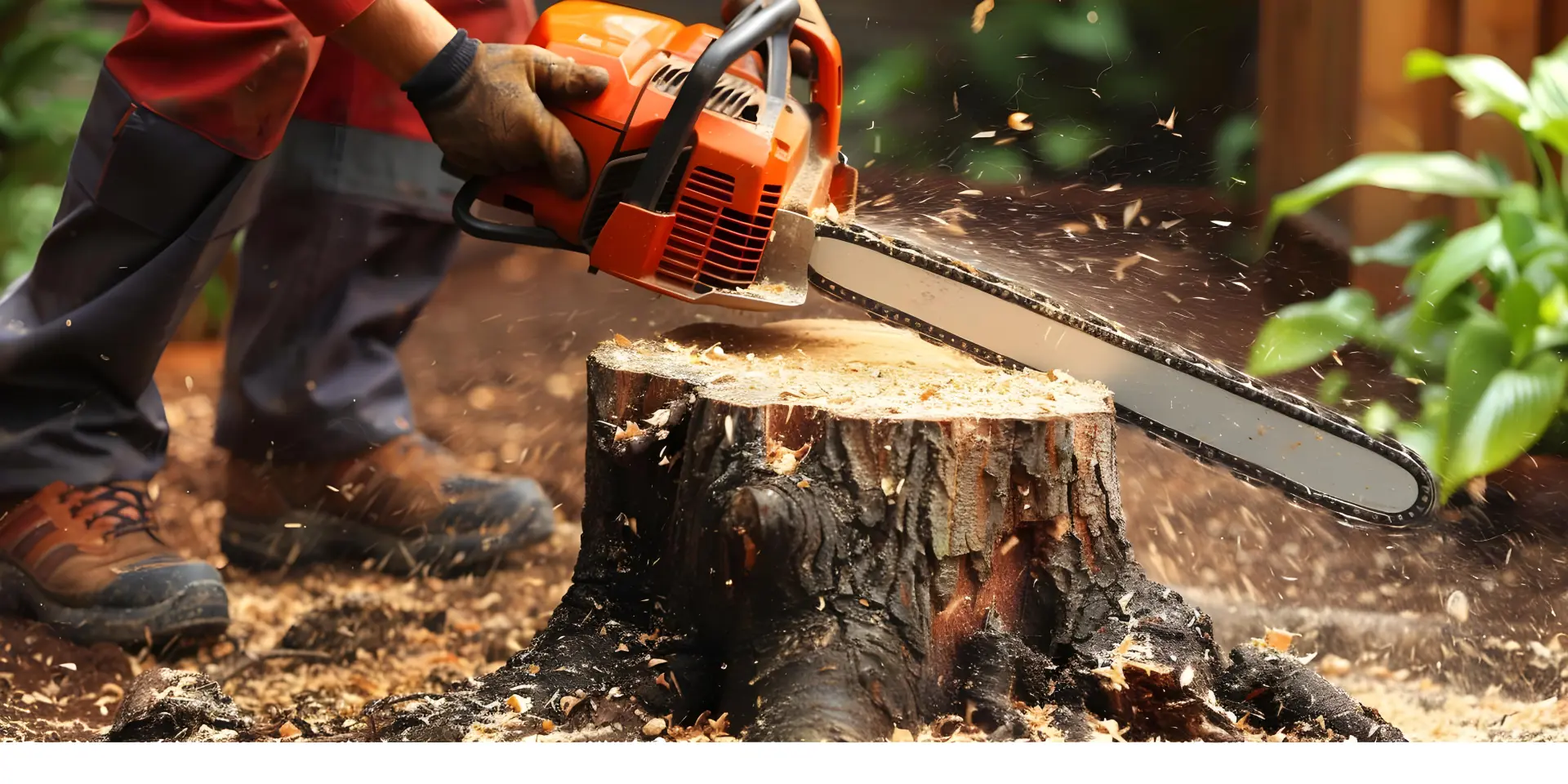

How much does tree removal cost in the UK? The answer can vary depending on the tree size, tree height, location, access, condition, and the type of removal needed. In many cases, tree removal prices start at around £150 to £350 for a small tree, while larger trees can cost £1,000 to £2,500 or more. For extra-large trees, complex sites, or work near buildings, roads, power lines, or a footpath, the removal cost can be higher.
The average tree removal cost in the UK is often between £500 and £1,200 for a straightforward job. However, average tree removal costs can rise if the tree is protected, diseased, dying, storm-damaged, or located in a hard-to-reach area. A qualified tree surgeon will usually need to visit the site, assess the tree's health, check for hazards, and provide an accurate quote before any tree removal work is carried out.
Tree removal is not only about cutting down a tree. The removal process can include planning, safety checks, climbing, felling, cutting branches, clearing debris, stump grinding, garden waste removal, and waste disposal. These services affect the final cost, so it is always advisable to request an itemised quote.
What Affects The Cost?
The cost of tree removal depends on several factors. The main factor that affects the time, labour, equipment, and safety planning needed for the job is the tree's size. A small tree in a small garden with easy access will usually be cheaper to remove than a large tree in confined spaces close to a house, conservatory, pavement, roads, or nearby trees.
Tree height also plays a big part in the removal cost. Small tree felling under 20 ft may be simple if the surrounding area is clear. Medium tree felling, such as a medium tree around 25 ft, may require climbing, careful cutting, and more labour time. Large trees over 50 ft often need specialist equipment, special equipment, or specialized equipment such as cherry pickers, cranes, ropes, and rigging systems. This can increase costs because the tree surgeon has to manage the risk safely.
The condition of the tree also affects the price. A healthy tree can sometimes be cut and lowered in a controlled way, while a diseased tree, dying tree, or tree with decay may pose safety concerns. Storm damage can make branches unstable, which means the tree surgeon needs more time and care. This can increase the average cost and may require additional services.
Access is another important point. If the garden has difficult access, steep slopes, narrow side gates, deep borders, or obstacles, the job takes longer. Poor accessibility may mean the crew has to carry timber, logs, branches, stump material, and waste by hand. Easy access can reduce labour time and help save money.
Tree Size And Height
Tree removal services in the UK typically cost between £200 and £2,800 on average, although the price can vary. A small tree is generally easier to fell, cut, remove, and dispose of. A medium tree will usually take more time because it may require more careful cutting and controlled felling. Larger trees need more planning, more skills, and more equipment.
For a small tree under 20 ft, tree removal may cost around £150 to £350. For a medium tree around 25 ft, tree removal prices may range from £350 to £750. For large trees above 50 ft, the removal cost may range from £1,000 to £2,500 or more. Very large trees, mature trees, and extra-large trees can cost more than £3,000 if the site is complex.
Tree size is not only about height. The trunk diameter, crown spread, branch weight, bark condition, and roots can all affect the cost. A tall but narrow tree may be easier to handle than a shorter tree with a wide crown and large roots. The tree surgeon will assess the size, height, diameter, and condition before deciding the best method.
Average Tree Removal Costs
Average tree removal costs are useful as a rough estimate, but they should not be treated as a fixed price. The average cost depends on the tree, garden, property, access, location, and waste removal needs.
Tree removal costs in the UK are also affected by different areas, as rates can be higher in London and other urban areas where parking, access, and labour costs may be more expensive.
A tree removal cost calculator can give homeowners a handy idea of typical costs, but only a tree surgeon can provide an accurate quote after checking the site. The guide breaks the costs involved into labour, equipment, stump work, debris disposal, permits, and any extra charges. This kind of cost breakdown helps you understand what is included and what may be added later.
The final price may be higher if the tree overhangs a road, street, neighbouring garden, roof, or footpath. The removal cost can also increase if the tree is close to foundations, buildings, walls, drains, or power lines. In these cases, a professional tree removal service may need extra planning and safety control.
Tree Species And Condition
Tree removal cost can change depending on the type of tree. Oak trees have dense timber and heavy branches, so they often take longer to cut, lower, and clear. Eucalyptus can grow fast and may have long limbs that need careful handling. Yew and monkey puzzle trees may require extra care because of their shape, foliage, or disposal needs.
The tree’s condition is just as important as the species. A diseased or dying tree can be more dangerous than a healthy one. Dead branches may fall without warning, and the trunk may be weaker than it looks. A qualified tree surgeon will look for decay, cracks, leaning, unstable roots, and damage before deciding how to remove the tree safely.
Tree health can also affect whether tree removal is needed at all. In some cases, pruning, trimming, hedge trimming, or maintenance may be enough. A tree surgeon or arborist can advise whether removal is the best option or whether the tree can be saved.
Is The Tree Protected?
Before tree removal begins, it is essential to check whether the tree is protected. A tree preservation order, often called a preservation order, can stop you from cutting, pruning, or felling a tree without written permission. If the tree is protected, you must contact the local council or Local Planning Authority before arranging the work.
A protected tree may also be located in a conservation area. In that case, planning permission or a written notice may be required before the tree work can go ahead. If you remove a tree without permission, you could face serious penalties. This is why it is important to check in advance.
An arborist report, arboricultural survey, or tree survey may be needed if the council requests more details. An arboricultural association-approved contractor or a professional with relevant NPTC qualifications can help prepare the request. The council may take several weeks to decide, so the timeframe should be covered in your planning.
Stump Grinding And Stump Removal
Tree stump removal is often not included in the base tree removal cost. After the tree is cut down, the stump may be left in the ground unless stump removal or stump grinding is agreed upon in the quote. Stump grinding is the common method because it is usually faster and more cost-effective than digging out the full tree stump and roots.
Stump grinding can cost from around £60 to £300 or more, depending on the stump size, access, ground condition, and whether large roots are present. Full stump removal may cost more because it takes more labour and may disturb the garden. If the stump is close to paving, foundations, a wall, or services under the ground, the tree surgeon will need to take extra care.
Leaving a stump can be cheaper at first, but it may cause problems later. It can attract pests, get in the way of landscaping, or make it harder to transform your outdoor space. If you want the area ready for replanting, turf, paving, or a new garden design, stump grinding is usually worth considering.
Waste Removal And Disposal
Waste removal can affect the overall cost of tree removal. A tree can create a lot of timber, branches, logs, bark, debris, and green waste. If the quote includes clearing and debris disposal, the price will usually be higher than a basic cutting job where the wood is left on site.
Some homeowners choose to keep logs for firewood, which can reduce disposal costs. However, the timber may need to be cut into suitable sizes, and it may need time to dry before it can be used. If all waste must be removed and disposed of, ask the tradesperson to include waste disposal in the itemised quote.
Garden waste removal is especially important for larger trees because there may be several loads to take away. The cost can increase if the crew has to carry waste through the house, down steps, through a narrow side passage, or over difficult ground.
Hidden Costs To Check
Hidden costs can make a tree removal project more expensive than expected. Extra charges may apply for stump grinding, stump removal, waste removal, traffic control, parking permits, road closures, tree survey work, or emergency callouts after storm damage. You should also check whether VAT is included in the price.
If the tree is close to buildings, roads, neighbours, power lines, a conservatory, or a public pavement, more safety measures may be required. This can increase the removal cost because the tree surgeon may need more people, more equipment, and more time.
Public liability insurance is another thing to check. A professional tree surgeon should have insurance in place before working on your property. Insurance protects both the tradesperson and the homeowner if damage or injury occurs during the job.
How Tree Surgeons Charge
How much tree surgeons charge depends on the size and complexity of the job. Some tree surgeons charge by the hour, while others give a fixed price for the whole project. A small job may take half a day, while a large or complex job may take a full day or several days.
Tree surgeon costs usually include labour, equipment, travel, insurance, and waste handling if agreed. Tree surgeons charge more when the job needs climbing, rigging, cranes, cherry pickers, or extra crew members. The more complex the work, the higher the final cost is likely to be.
Hiring a qualified tree surgeon is usually safer than choosing the cheapest option. A low price may not include insurance, disposal, stump work, or the right certifications. It is better to obtain multiple quotes and compare what each quote includes.
How To Save Money On Tree Removal
You can save money on tree removal by making the site easier to access. Clearing garden furniture, pots, toys, and other obstacles before the visit can reduce labour time. You can also ask whether keeping the logs or wood on site will lower the cost.
The cheapest time for tree removal is often outside the busiest months. Winter can be a good season for tree work because many trees are dormant, and tree surgeons may have more free dates. February may be an ideal time for some work, although nesting birds, protected species, and weather can affect what can be carried out.
Getting multiple quotes is one of the best tips. Try to find tradespeople with experience, insurance, and the right skills. Ask each tree surgeon to provide a clear quote, explain the method, and confirm whether disposal, stump grinding, and permits are included.
When Tree Removal May Be Needed
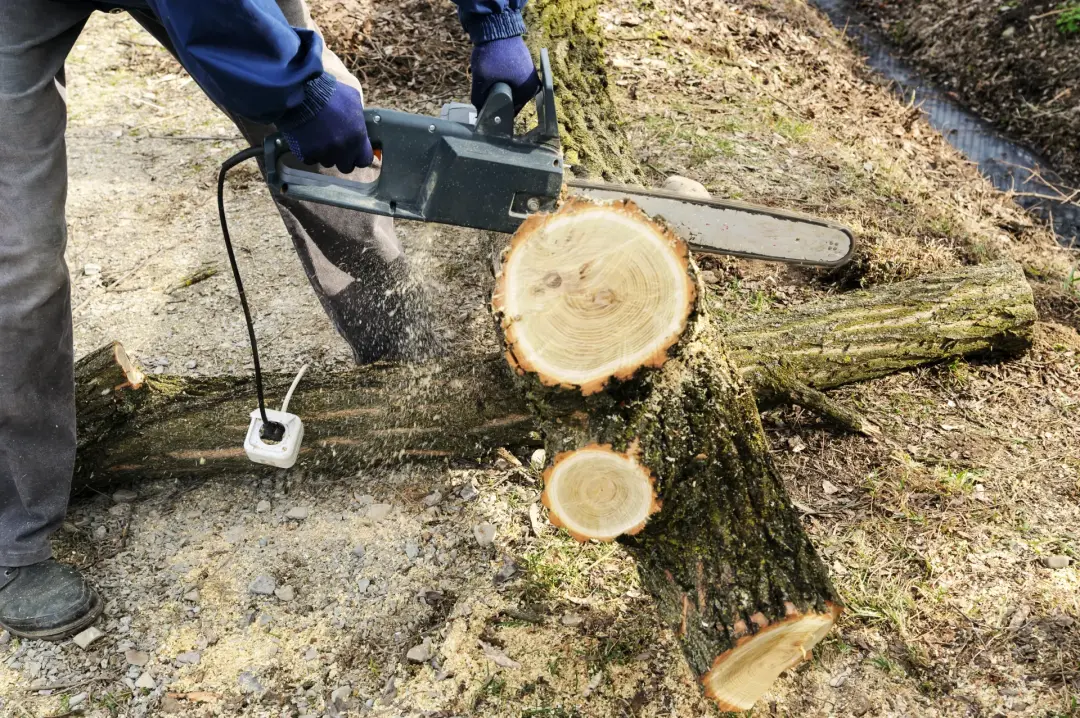
Tree removal may be needed when a tree is dead, diseased, unsafe, causing damage, or growing too close to buildings. Roots can damage drains, paving, walls, and foundations in some cases. Branches can also touch roofs, block light, or overhang neighbouring property.
A tree may also need removal if it has outgrown the available space. In a small garden, a large tree can block sunlight, make maintenance difficult, and reduce usable outdoor space. In some cases, removing one tree can improve the health of nearby trees by giving them more light and room to grow.
Tree removal can also improve safety and property values when a dangerous tree is dealt with correctly. However, removal should always be planned carefully. A tree surgeon can assess the risk and decide whether pruning, cutting back, or full removal is the right choice.
Getting An Accurate Quote
To get an accurate quote, provide as much information as possible. Mention the tree type, height, access, condition, location, and whether there are roads, buildings, neighbours, or power lines nearby. Photos can help, but a site visit is usually needed before the final cost is confirmed.
Ask whether the quote includes felling, cutting, stump grinding, waste removal, clearing, and disposal. Also, ask whether permission, permits, or a tree preservation order check is needed. A good quote should make the scope of services clear before you agree to the work.
Tree removal costs in the UK vary depending on the job, but a clear quote will help you budget with confidence. The most important thing is to use a professional, insured, and experienced tree surgeon who can remove the tree safely and leave the site tidy.
Willow Tree And Garden Services is a trusted and fully insured team of arborists who provide safe and efficient tree removal services across Newcastle, Gateshead and Northumberland. We handle everything from TPO guidance to risk assessments and sectional dismantling. Protect your property and landscape with our qualified professionals.